Mvse Descompvse
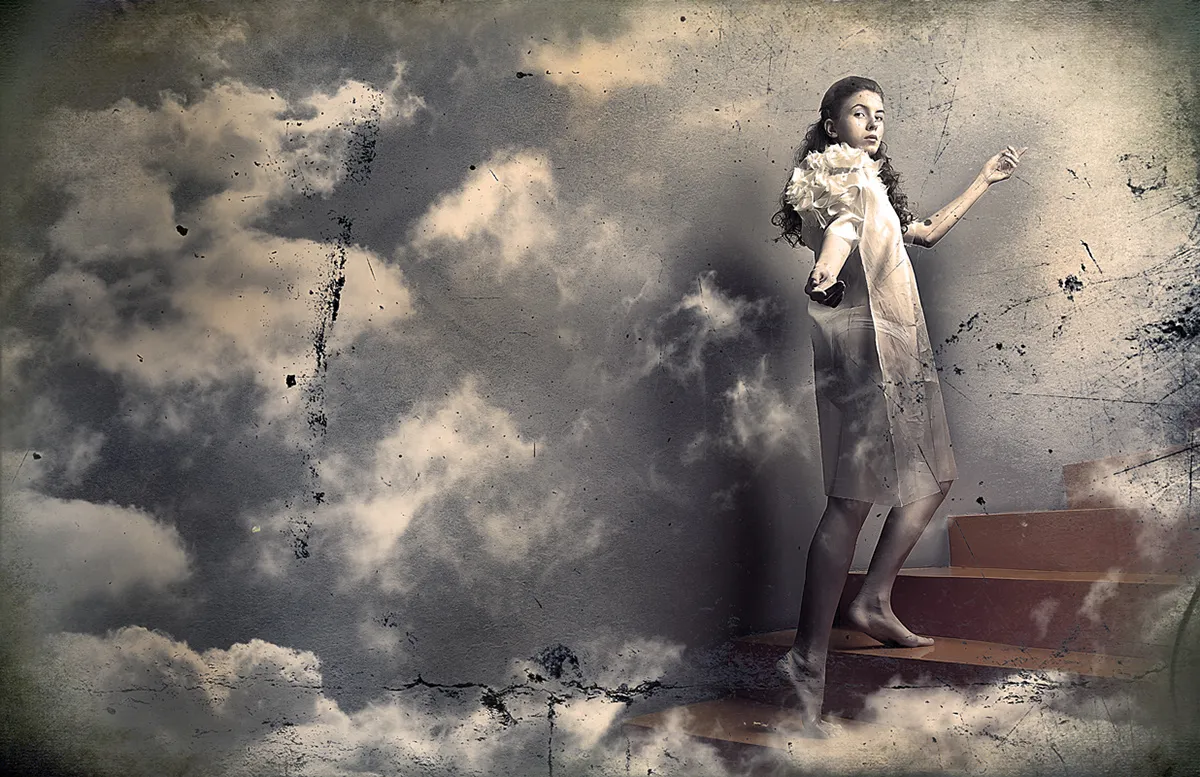
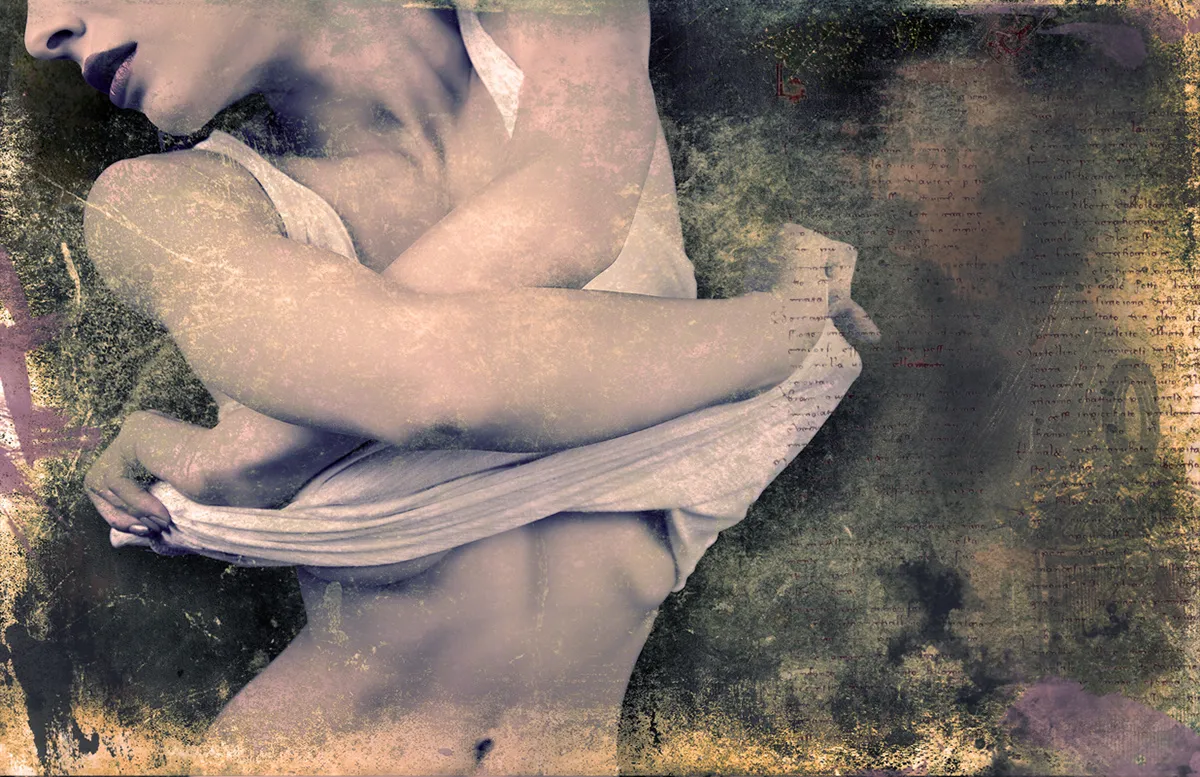
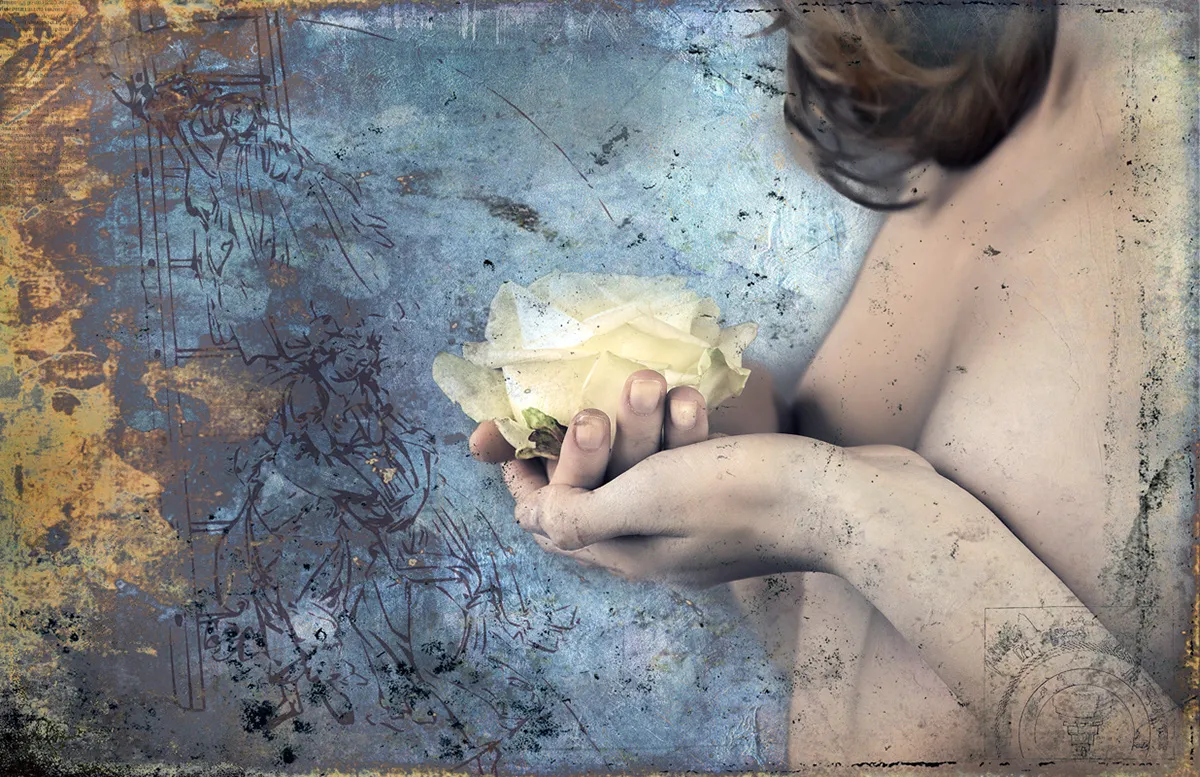
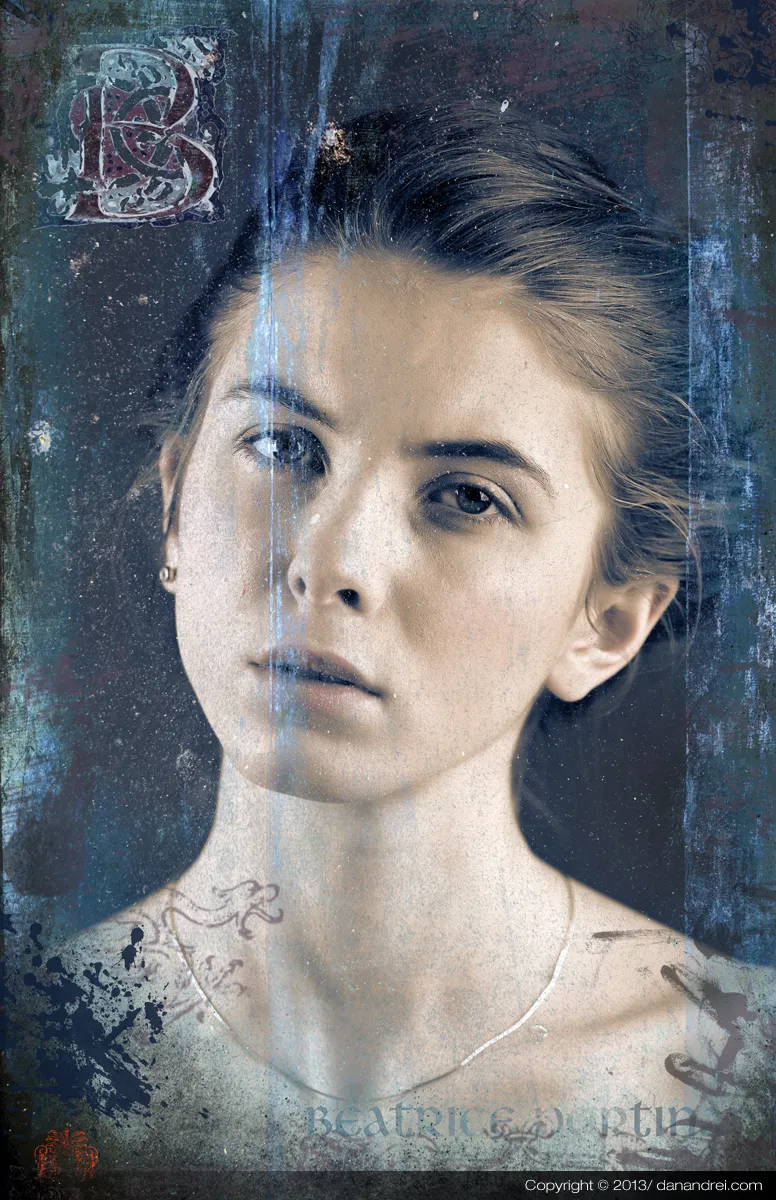
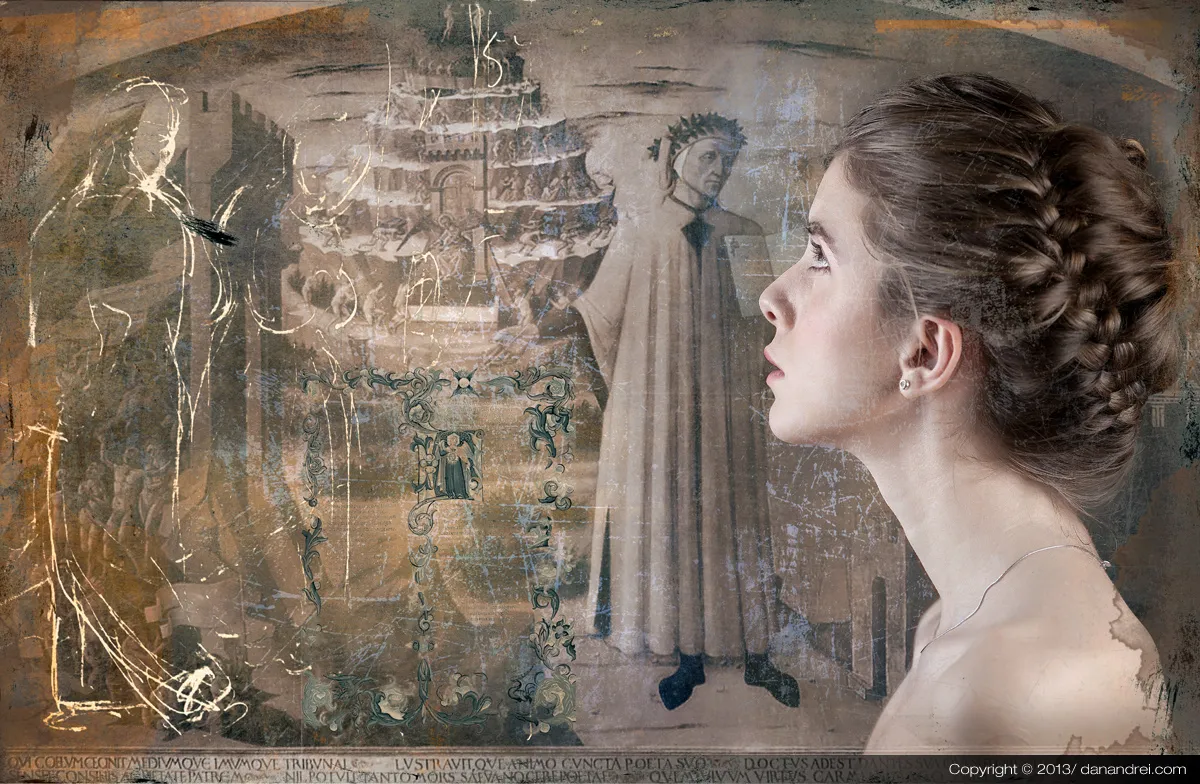
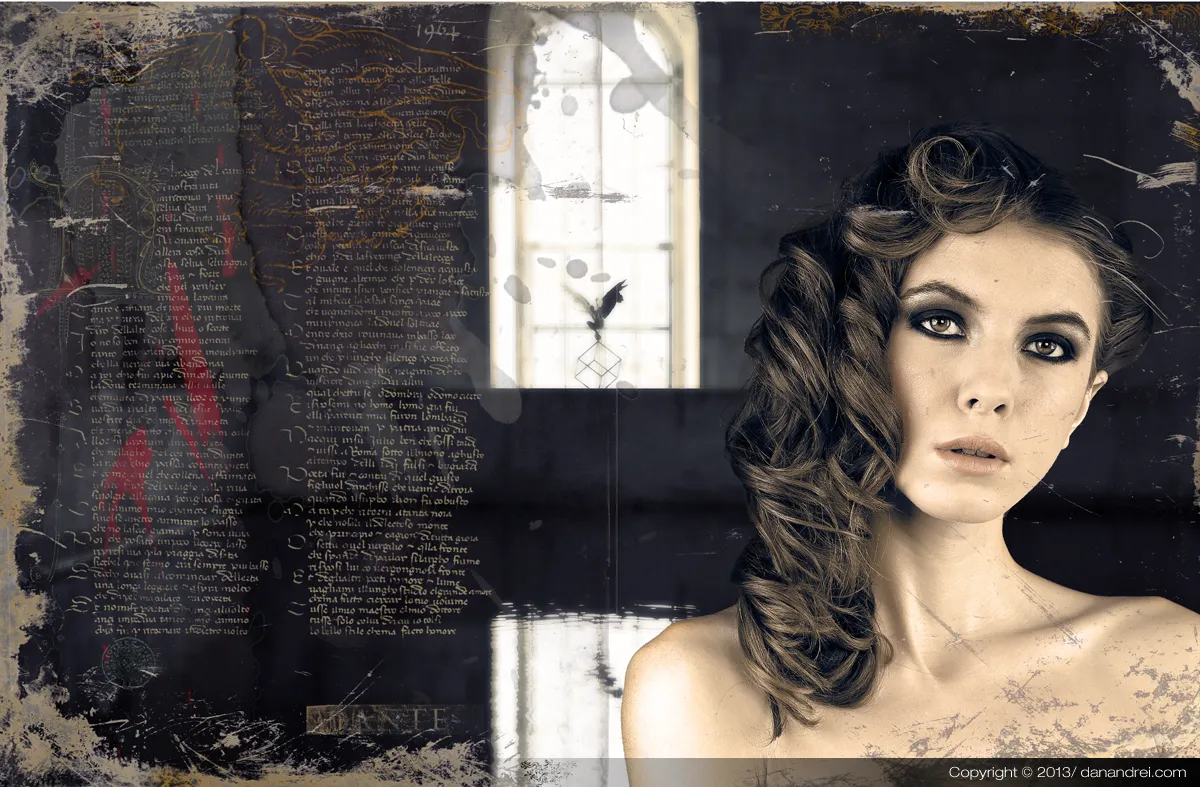
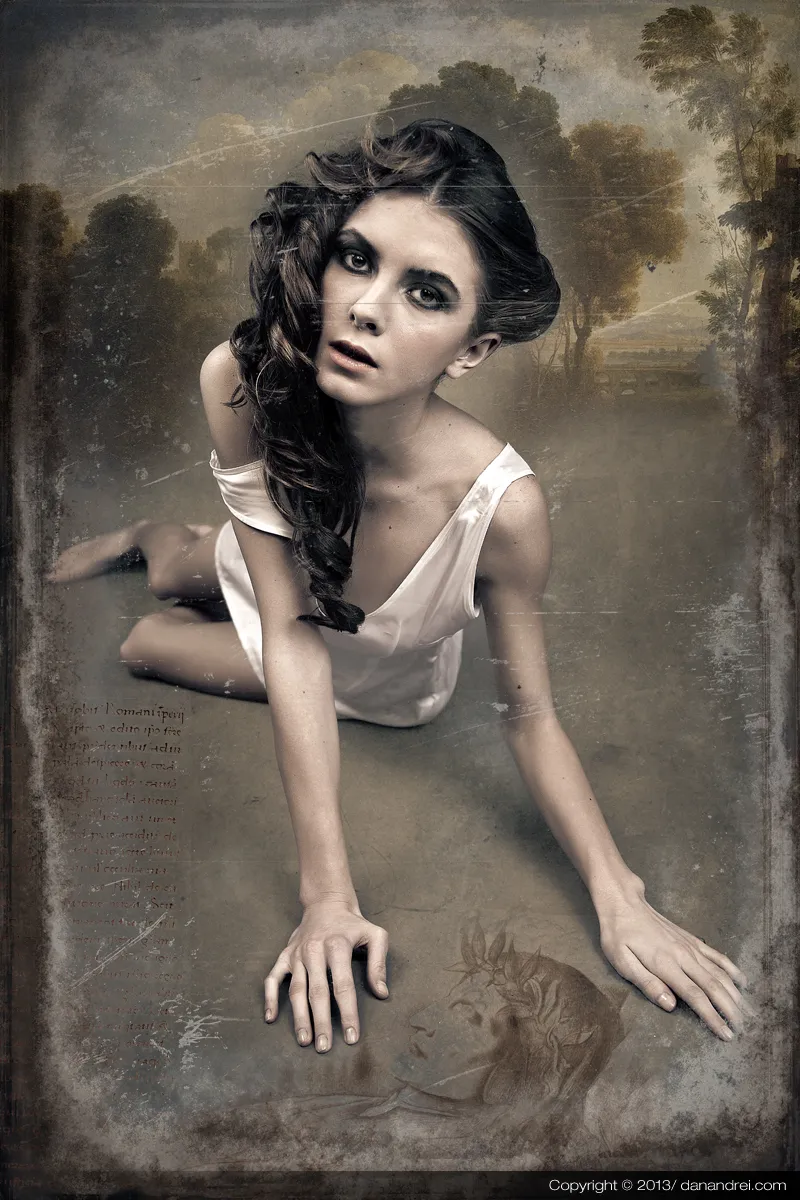
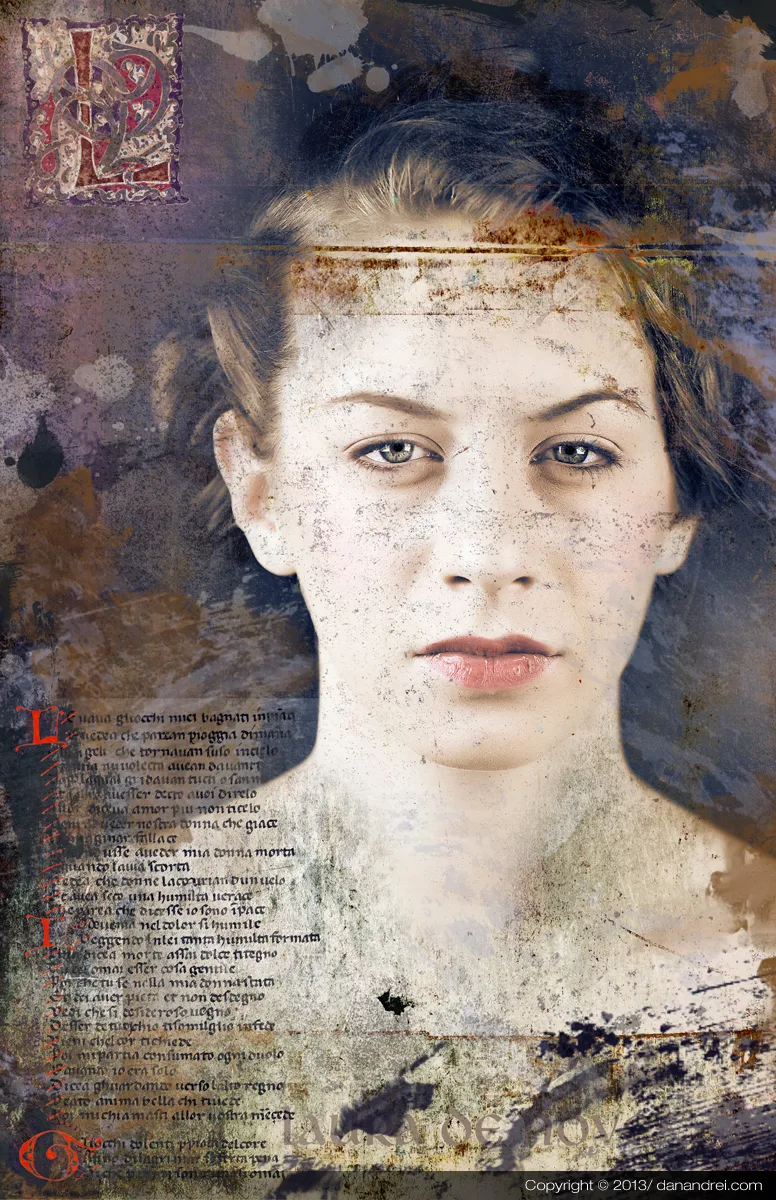
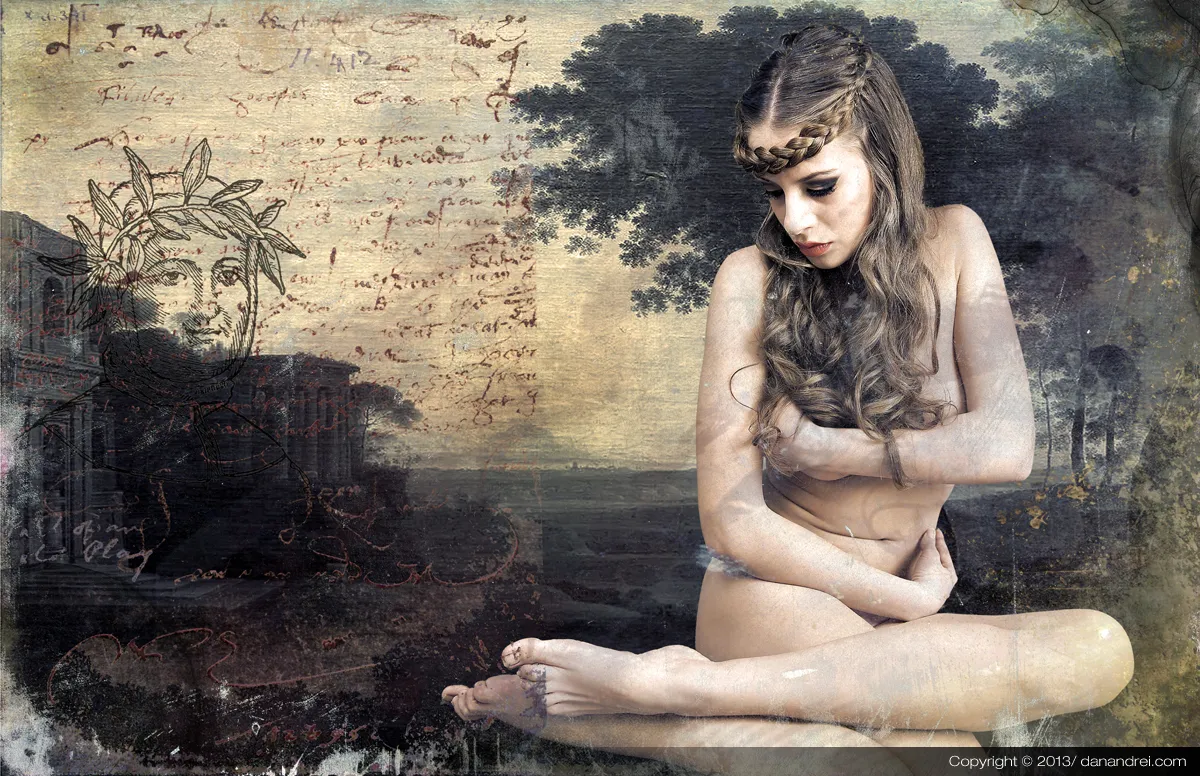
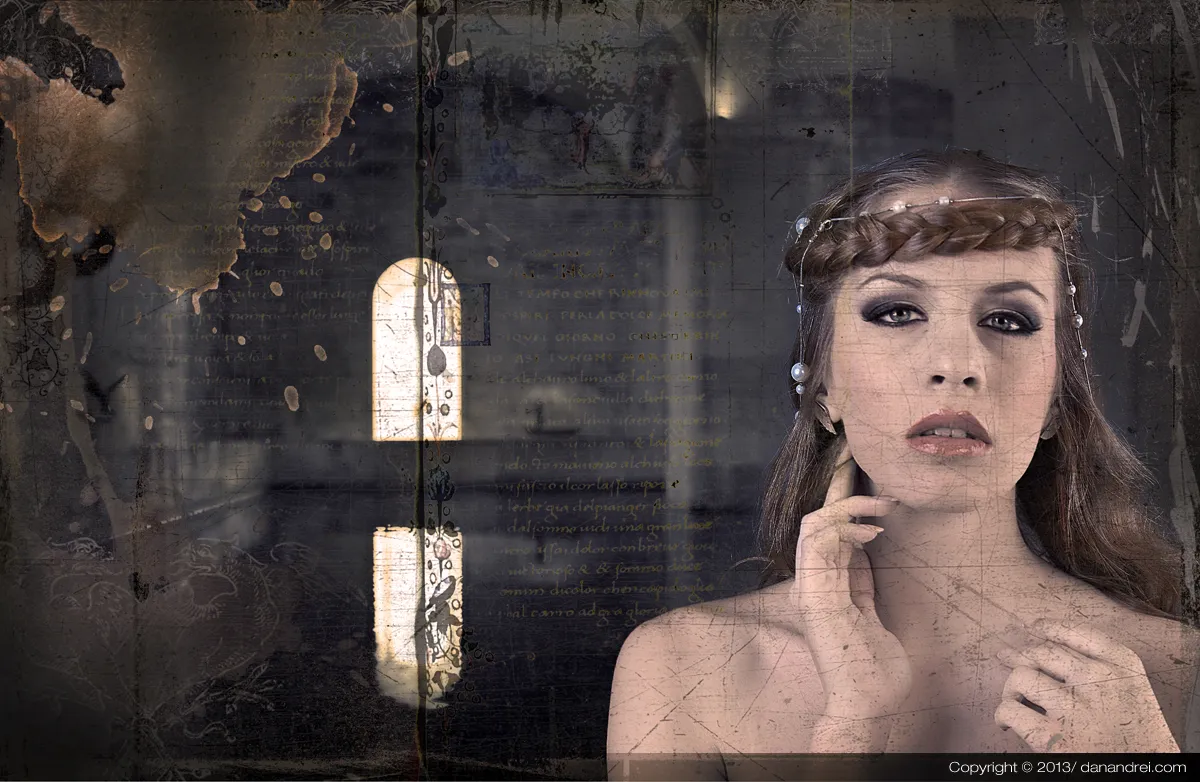
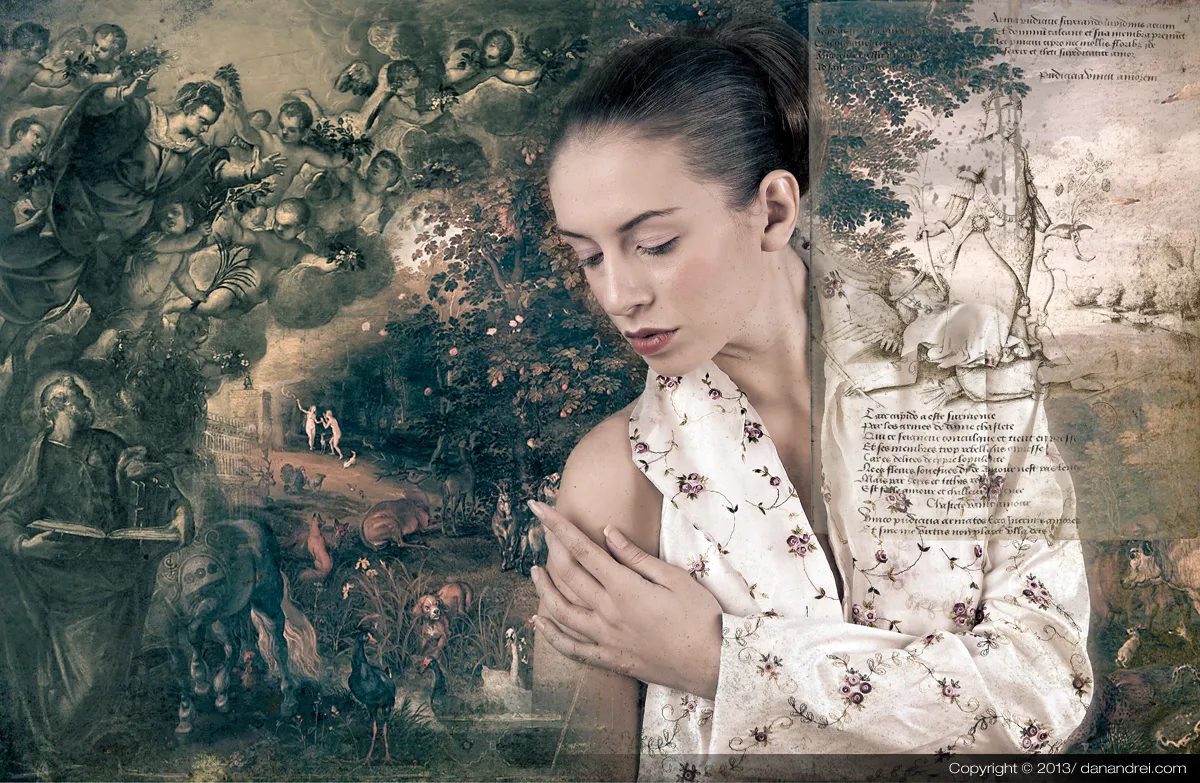
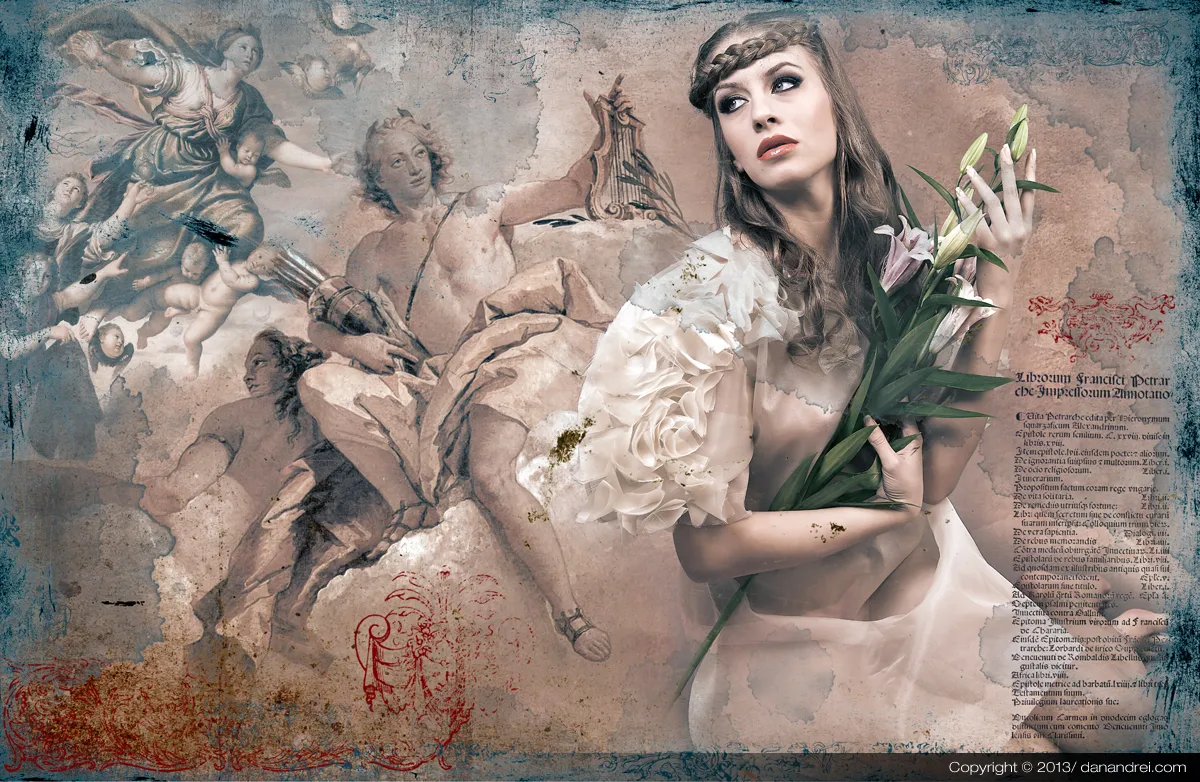
MVSE DESCOMPVSE is based on my vision of the muses that inspired Dante, Petrarch and Boccaccio.
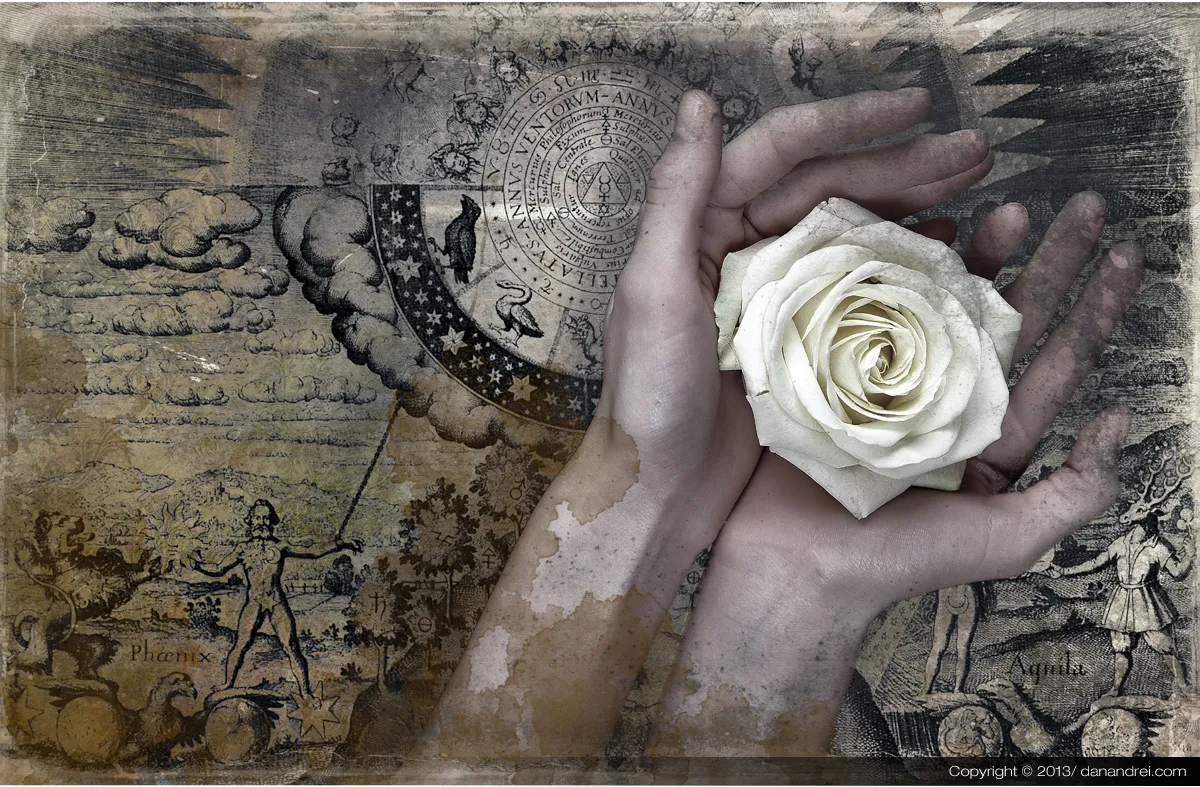
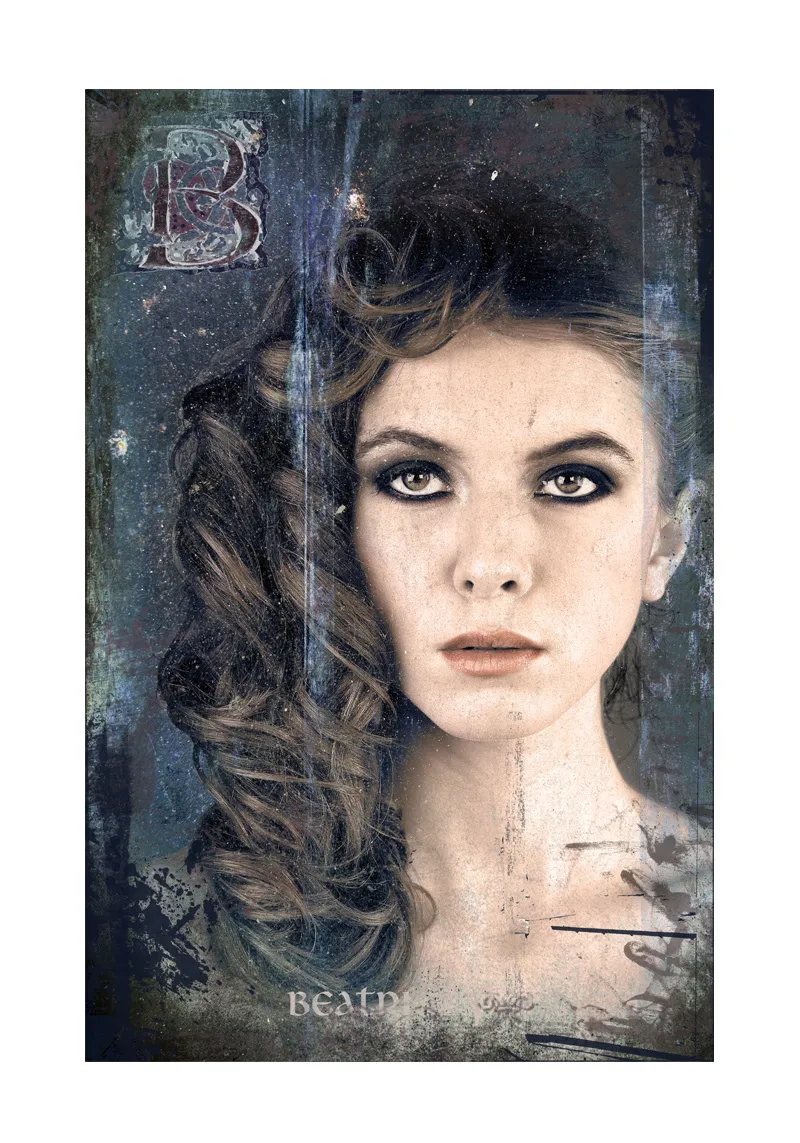
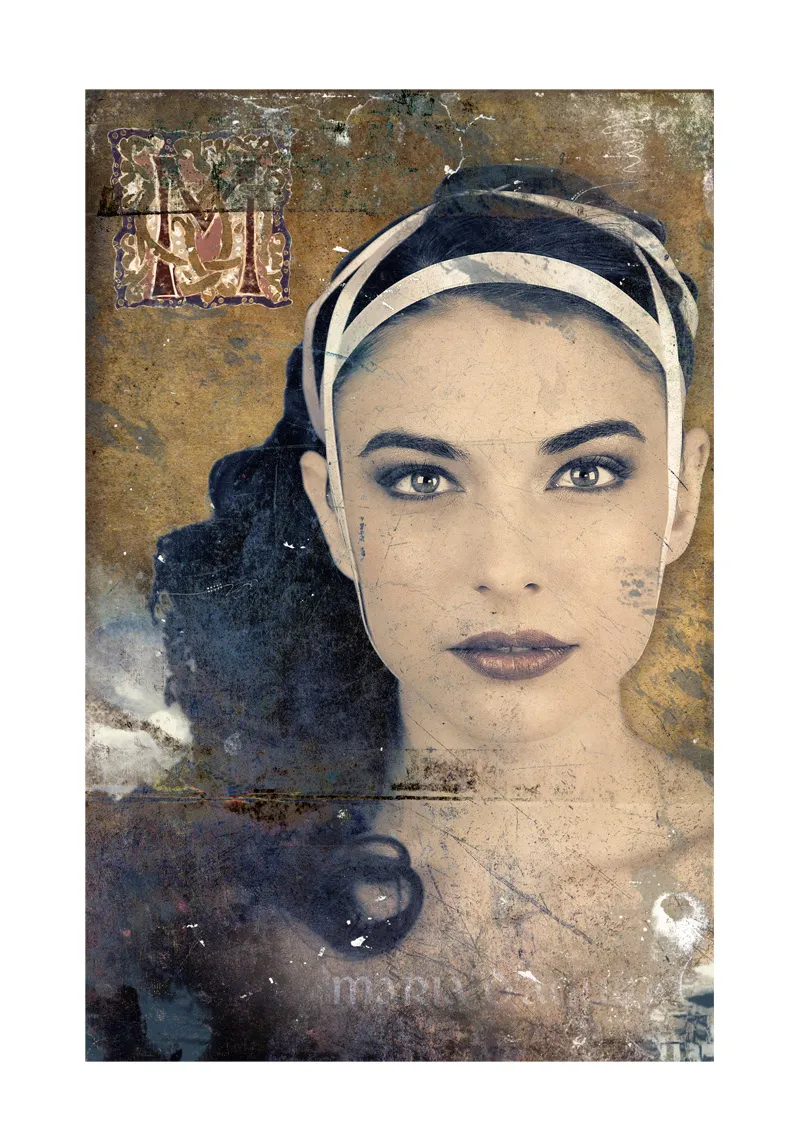
For a little while now I’ve been interested in finding out more about muses… as in our proudly individualistic culture the relationship between the artist and his muse, once standard and then legendary, is no longer part of our common vocabulary.
Who are the muses? Gracious goddesses, daughters of the Titaness of memory, platonic ideals, models for the Holy Mother portraits, virtuous or harlot women, feminine paragons, mysterious unreachable lovers, feminine valets to someone else’s imagination, complementary concepts, great understanders, poetic inventions, much-desired ghosts that sometimes come uninvited, queens of the superficial, self-muse, inner muses? In its earliest conception in classical Greek writings, the relationship between the artist and the muse was one of reciprocity; the woman, acting as intermediary for the Gods, offered the man access to memory and knowledge that he lacked.
The artist would subsequently produce an autonomous text that was not about the female muse, but which celebrated her involvement in the act of creativity. Such an exchange implied a lack on the part of the man that could only be filled by a momentary loss of self-possession as he was inhabited by the power and the insight of the muse.
During the Middle Ages, romantic narrative’s landscape of kings and queens, knights and ladies, heroism, bravery, destiny and magic became established in the Western imagination, so the idea of romantic love has penetrated so deep into our culture that few people escape its influence before leaving the nursery.
The romantic themes of idealization and forbidden (or non-consummated) love were taken to new extremes in Renaissance Italy. Poets such as Dante and Petrarch placed their muses on elevated pedestals. Dante’s Beatrice and Petrarch’s Laura are portrayed as models of perfection and purity, while later Boccaccio’s interest in his muse, Maria (Fiammetta), is the perfect blend of mind, body and spiritual love.
The idealization of Beatrice and Laura is partly attributable to Marianism, because during the 13th century Mary became increasingly important as mediator between human beings and God. It was to Mary that the majority prayed for divine intercession. She was more “human” and therefore more approachable than all three personifications of the Holy Trinity. Moreover, her position as the mother of God gave her considerable authority. For some time, the river of romantic literature was swollen by the tributary of Marianism. Women were worshipped with religious fervor and sexual desire was wholly sublimated.
By the Romantic age, however, the muse helped the creator to express feelings, ideas and emotions, rather than religious and political ideas. This period brought about the idea of the freelance artist and the idea of art for art’s sake, which signified a major change in the conception of art, the essence of art, and what constituted art.
The muse in her purest aspect is the feminine part of the male artist, with which he must have or not have intercourse if he is to bring into being a new work. She is the anima to his animus, except that, in a reversal of gender roles, she penetrates or inspires him and he gestates and brings forth, from the womb of the mind.
Painters don’t claim muses until painting begins to take itself as seriously as poetry. Nowadays, when our attention is assaulted by a loud, dynamic media mixture, we have unexpectedly begun to forget to read. We’ve started to neglect the words written on paper. We’re anxious and in a constant hurry, losing the patience to read a page of a book. And with all this, we have begun to alienate poetry from our lives. We no longer have rhyme or crossover exercises; we have forgotten the ancient hexameter and the lyrical note of the romance.
We have forgotten to be dreamers and to lose ourselves in dreaming… Schopenhauer said poetry is the art that sets our imagination in motion by means of words. My artistic endeavor adds image to words.
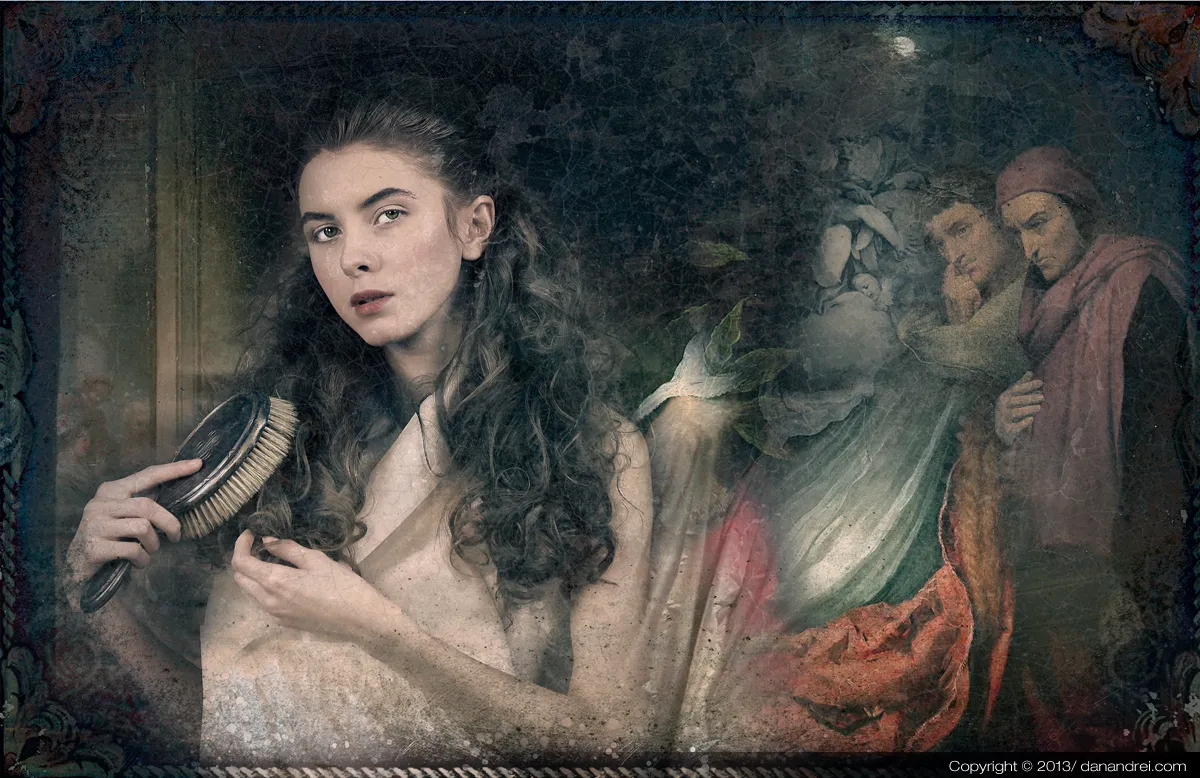
Ediții
Ediții limitate fine-art ale lucrărilor din Mvse Descompvse vor fi disponibile prin MONO creative studio, partener pentru printuri la standard muzeal, și printate sub supravegherea artistului. Fiecare ediție este numerotată și însoțită de un certificat de autenticitate. Până atunci, trimite o cerere la contact@danandrei.com.